
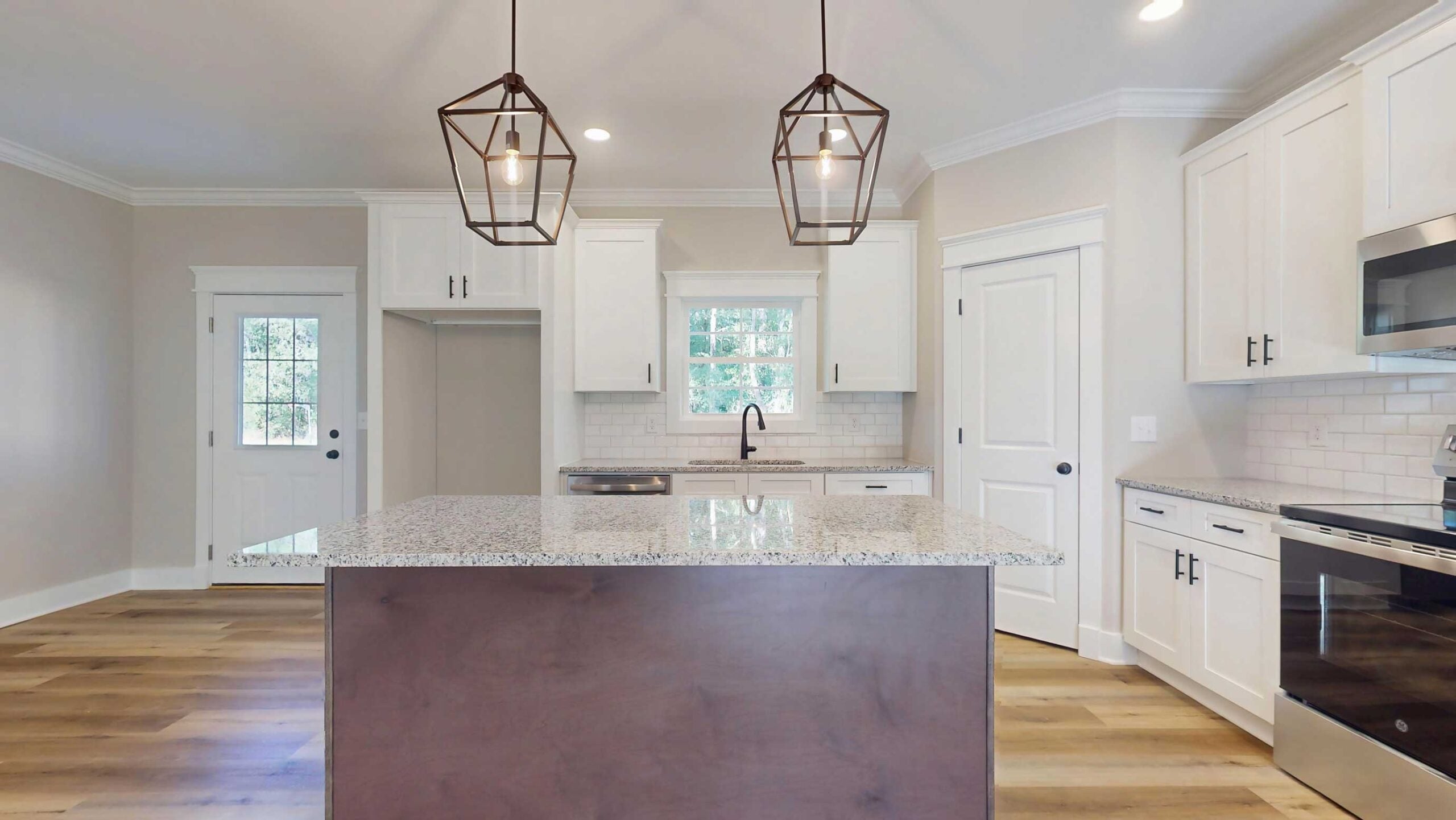
If you’re deciding whether to renovate before selling your home in Thomasville, one of the first questions you may have is which improvements to make before putting it on the market.
Should you replace the countertops? Update the bathrooms? Install new flooring? Repaint the entire house? Or would you be better off selling the property in its current condition?
It’s an important decision because the money you spend preparing your home for sale doesn’t automatically translate into additional profit.
At The BrinPo Group, we believe the goal of preparing a home for sale isn’t to make it perfect. It’s to help buyers recognize its value while protecting the seller’s bottom line.
Before spending thousands of dollars on renovations, it’s worth understanding which improvements may actually influence buyers and which expenses might be better avoided.
More Money Spent Doesn’t Always Mean More Money Earned
One of the most common misconceptions about preparing a home for sale is that every improvement increases its value. Unfortunately, that’s not necessarily how real estate works.
Imagine a homeowner spends $30,000 renovating a kitchen shortly before listing the property. The finished kitchen may look beautiful, but that doesn’t mean buyers will automatically pay $30,000 more for the house.
The home’s overall condition, location, floor plan, competing properties, and recent comparable sales all affect what buyers are willing to pay.
If competing homes already have updated kitchens, the renovation might help your property compete more effectively. But if buyers in that price range are generally comfortable purchasing homes with older kitchens, the expenditure may not be justified.
The important question isn’t whether an improvement makes your home nicer. It’s whether it makes financial sense given your property, competition, and selling goals.
That’s a distinction we encourage sellers to consider before beginning any significant project.
What Does the Research Say About Pre-Sale Improvements?
A recent national study provides some perspective.
Zillow’s 2026 Consumer Housing Trends Report, published October 14, found that 78% of surveyed sellers completed at least one home improvement as part of selling their home.
Interior painting was among the most common projects, reported by 36% of sellers. Bathroom improvements and landscaping were each reported by 31%.
Those figures demonstrate how frequently homeowners prepare their properties for sale. They don’t establish that those projects produced a financial return.
The National Association of REALTORS® and National Association of the Remodeling Industry reached a related conclusion in their 2025 Remodeling Impact Report.
Among surveyed REALTORS®, 50% recommended painting an entire home before listing, while 41% recommended painting a single interior room.
The findings illustrate an important principle: preparation and major renovation are not necessarily the same thing.
In many situations, relatively straightforward improvements can make a meaningful difference in how a property presents without requiring an expensive remodeling project.
Start With Repairs That Could Create Buyer Concerns
Before discussing cosmetic upgrades, we generally recommend evaluating the home’s existing condition.
A house doesn’t have to be newly renovated to attract buyers. However, obvious maintenance problems can create uncertainty.
Consider a home with an attractive kitchen and updated flooring but visible water damage around a ceiling. Even if the water intrusion occurred years ago, buyers may wonder whether the roof is leaking or whether additional damage exists. That concern can become a bigger obstacle than an outdated countertop.
In Thomasville and throughout South Georgia, sellers should pay particular attention to moisture-related issues, drainage, wood deterioration, roofing, HVAC performance, and other property-specific maintenance concerns.
The priority is to investigate actual problems rather than assume every older component needs replacement.
If there’s evidence of an active leak, structural concern, or significant mechanical problem, obtaining a qualified professional’s evaluation is generally more useful than immediately investing in decorative improvements.
Buyers may be willing to update a kitchen after moving in. They’re often less comfortable taking on an unknown repair expense.
Sometimes Cleaning and Presentation Matter More Than Remodeling
Before committing to major renovations, consider how the home will appear in photographs and during showings. Small details can influence a buyer’s first impression.
A freshly cleaned driveway, neatly maintained lawn, uncluttered kitchen, and bright living spaces can make a property feel more inviting.
We regularly encourage sellers to begin with thorough cleaning, decluttering, landscape maintenance, and addressing visible wear and tear. These improvements may require substantially less money than replacing cabinets, flooring, or fixtures.
For example, an older kitchen with clean countertops, organized cabinets, functioning appliances, and good lighting can still present well.
The same principle applies to bathrooms. Clean grout, fresh caulking where appropriate, working fixtures, and spotless surfaces can improve presentation without requiring a complete renovation.
The objective is to help buyers see the home’s possibilities rather than become distracted by easily addressed issues.
Should You Update Your Kitchen or Bathrooms Before Selling?
Kitchens and bathrooms are often among the first areas sellers consider renovating. They also represent some of the more expensive remodeling projects.
Before replacing cabinets, countertops, tile, or fixtures, we recommend asking whether the existing condition is genuinely limiting the property’s marketability.
Sometimes a modest refresh is appropriate. Other times, an expensive renovation may not produce a sufficient increase in the likely selling price.
A complete kitchen remodel can involve cabinetry, countertops, appliances, electrical work, plumbing, flooring, and a number of unexpected expenses. The final cost can grow quickly.
And because buyers have different tastes, a seller’s preferred finishes may not necessarily appeal to everyone shopping in that price range.
Our preference is to evaluate the market before recommending major renovations. We want to understand what competing homes offer, what buyers appear to value, and whether the proposed improvement addresses a meaningful disadvantage.
The Thomasville Market Makes Property-Specific Advice Important
Thomasville isn’t one uniform real estate market.
A historic home near downtown, a traditional house in an established neighborhood, a newer home in Madison Grove, and a property with several acres outside the city may attract buyers with different priorities. That’s why preparation recommendations should reflect the type of property being sold.
For example, buyers considering an older home with distinctive architectural details may place significant value on preserved character and well-maintained original features.
A buyer comparing newer construction may have different expectations regarding finishes, floor plans, and mechanical systems.
For properties with acreage, exterior maintenance, drainage, access, fencing, and outbuildings may warrant more attention than purely decorative interior improvements.
These are examples of considerations, not assumptions about every buyer. The appropriate strategy should be developed by looking at the specific property and the homes competing for the same buyers.
How Do You Decide Which Improvements Are Worth Making?
Before recommending a significant expense, we believe sellers should evaluate four questions.
First, does the improvement address an actual problem? A repair involving an active leak or malfunctioning system serves a different purpose from replacing a countertop simply because it’s outdated.
Second, will the improvement materially affect how buyers view the property? Some changes improve presentation or reduce uncertainty. Others may be nice to have without substantially influencing purchase decisions.
Third, what will the project cost in both money and time? A renovation that delays listing for several weeks or months should be evaluated differently from a project that can be completed quickly.
Fourth, what do the comparable properties tell us? This is especially important. We need to understand whether the proposed improvements are likely to make your home more competitive or simply add expenses that buyers may not fully recognize in their offers.
Ultimately, the decision should be based on the property’s probable market position and your individual financial objectives.
Don’t Overlook Permits and Older-Home Considerations
Major improvements can involve additional requirements beyond the cost of materials and labor.
The City of Thomasville maintains permit applications for residential renovations and remodeling, along with electrical, plumbing, HVAC, and roofing work.
Before starting a project, homeowners should verify which approvals apply to the specific property and scope of work. Properties outside city limits may fall under a different permitting authority.
Older properties can involve additional considerations. For homes constructed before 1978, renovation work that disturbs painted surfaces may fall under federal lead-safe renovation requirements. The Environmental Protection Agency updated its lead-safe renovation guidance in March 2026.
When preparing to sell, properly documenting completed improvements and retaining applicable permits, contractor invoices, and warranties can also help buyers understand the work that has been performed.
Is Selling Your Thomasville Home As-Is a Better Option?
For some sellers, the best decision may be to make limited improvements or sell the property in its current condition. This can be particularly relevant when a home needs extensive updating or the seller doesn’t want to undertake a lengthy renovation.
An as-is sale doesn’t necessarily mean the property is undesirable. It means the seller is establishing the terms under which they’re willing to sell, with the purchase agreement and applicable disclosure obligations governing the transaction.
However, condition still affects value. Buyers evaluating an as-is property may account for repair costs, financing limitations, insurance concerns, and the uncertainty associated with needed work. The asking price needs to reflect those realities.
A well-positioned property that needs updating may still attract interest when the price and condition make sense together.
The objective is to make an informed decision about the cost of improvements versus the likely effect on the selling price and net proceeds.
Deciding Whether to Renovate Before Selling Starts With a Market Analysis
Before you start renovating, it’s helpful to understand how your home compares with the competition.
At The BrinPo Group, our approach is to evaluate the property, review relevant sales and competing listings, and develop a preparation strategy around the seller’s goals.
Sometimes that means recommending a few repairs and cosmetic improvements. Sometimes it means advising a seller to focus on professional presentation rather than expensive renovations. And sometimes the best strategy is to price the home appropriately for its existing condition.
Our responsibility isn’t to encourage homeowners to spend money unnecessarily. It’s to help them understand their options and make decisions that support a successful sale.
Frequently Asked Questions
Should I replace my flooring before selling?
Not automatically. The decision depends on its condition, the cost of replacement, the expectations of competing buyers, and how the existing flooring affects presentation. Professional cleaning or targeted repairs may be appropriate in some situations.
Is painting worth doing before listing?
Painting may improve presentation, particularly when existing surfaces are noticeably worn or highly personalized. However, not every room needs to be repainted, and the expense should be evaluated against the home’s condition and market positioning.
Should I replace an older roof before selling?
Age alone doesn’t determine whether replacement makes sense. The roof’s condition, remaining service life, insurability, financing considerations, and cost of replacement should be evaluated. A qualified roofing inspection may help clarify the options.
Should I renovate or reduce the asking price?
That depends on the cost and duration of the improvements compared with their likely effect on market value. In some situations, adjusting the price is financially preferable to completing an extensive renovation.
Thinking About Selling Your Home in Thomasville?
Before you invest thousands of dollars in renovations, we’d welcome the opportunity to help you evaluate your options.
Every home is different, and the right preparation strategy depends on its condition, location, competition, and your goals.
Jason Brinson and Danny Powers work with homeowners throughout Thomasville, Thomas County, and the surrounding South Georgia area to develop thoughtful selling strategies based on local market knowledge and individual property characteristics.
Whether you’re ready to list immediately or simply exploring your options, we can help you determine which improvements deserve consideration and which expenses may not be necessary.
Jason Brinson: 229-221-8415
Danny Powers: 229-221-8412
The BrinPo Group | First Thomasville Realty
Professional, knowledgeable, and dedicated to you.