
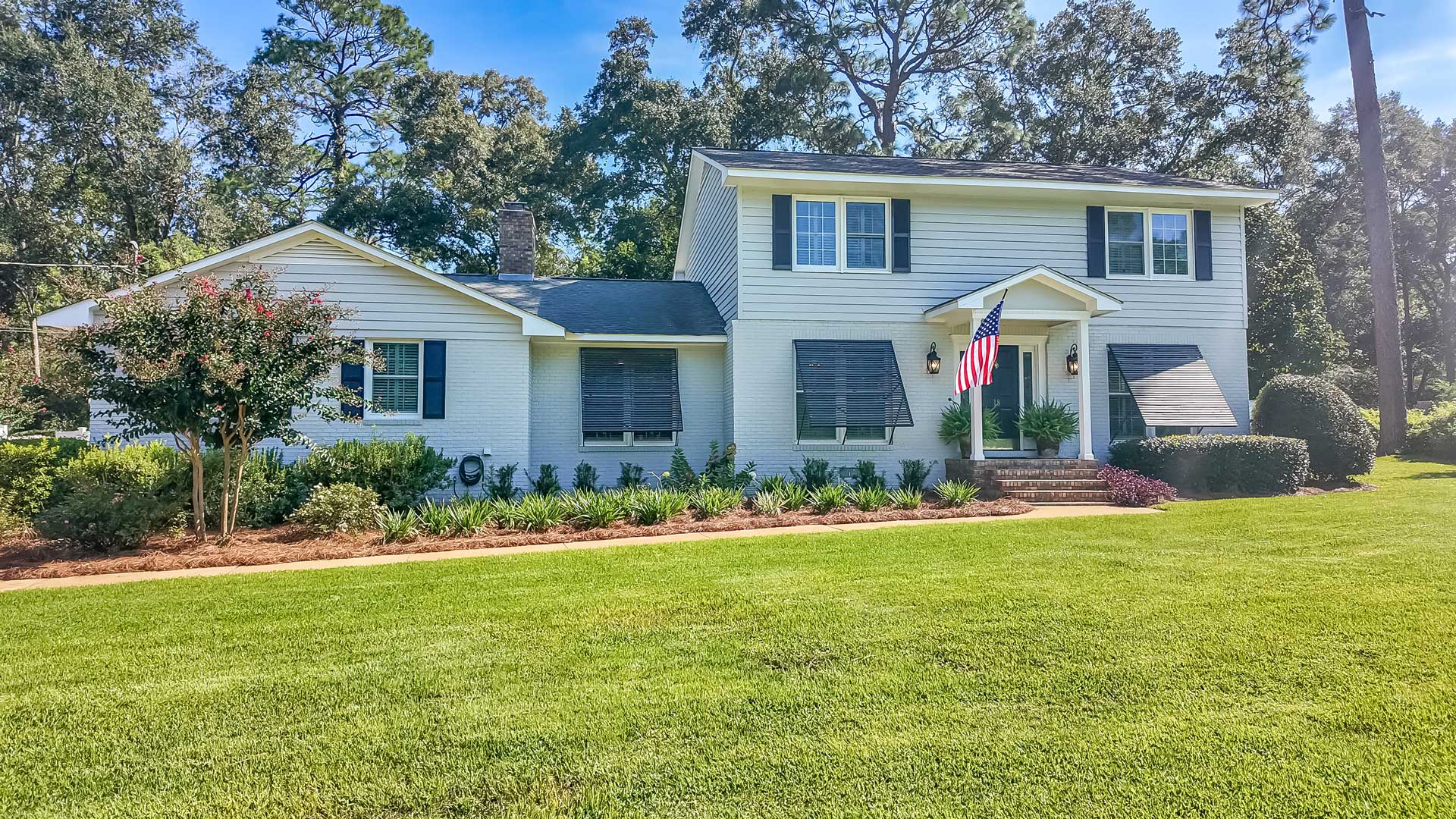
The first 14 days on the market are a chance to learn how buyers respond to a home’s price, presentation, and condition. They are not a deadline by which every home should sell. In the August 2026 Thomasville-area market update, we reported 309 active listings and an average of 118 days on market. Those are broad market figures; a home’s price range, location, condition, and competition can produce a very different result.
What matters early is whether the listing is reaching suitable buyers—and what those buyers do next. Here is how we read the response and decide whether to stay the course or make a change.
Before launch: prepare for the first 14 days
The first 14 days are most useful when the home is ready from day one. That means an asking price grounded in comparable properties, strong photos, an accurate description, and reasonable access for showings. The National Association of REALTORS® explains that recent sales, properties under contract, and current listings all help inform a comparative market analysis. Your home’s condition, features, and location also matter.
In Thomasville, two homes with the same bedroom count may appeal to very different buyers. A renovated in-town home, an older house on acreage, and a newer subdivision home should each be compared with properties that reflect their real alternatives. We also check what else a buyer can see at the same price today.
Days 1–3: make sure buyers can find and understand the listing
We start with the basics: Is the listing showing correctly where buyers search? Are the photos, room counts, square footage, and key features accurate? Does the lead photo make the home’s strongest first impression? Is the property description clear about what sets the home apart?
Marketing is more than placing a sign in the yard. The National Association of REALTORS® consumer guide to marketing a home describes MLS exposure, photography, showings, and competitive pricing as parts of the plan. For a BrinPo listing, we also consider which property-specific channels—such as our website, email, video, or social posts—will help reach the right audience.
During the first 14 days, online views alone do not prove that buyers want to tour. Still, if the listing is hard to find or important details are missing, we should correct that before drawing conclusions about price.
Days 4–7: compare attention with showing activity
Once the listing has been visible for several days, we look at the pattern, not a single number. Are buyers viewing the home online? Are they asking questions or booking showings? How does that response compare with similar homes at a similar price?
If online attention is light, we review the listing’s visibility, photos, description, and price position. If people look online but rarely schedule a visit, the home may not be making a strong enough case against nearby alternatives. We also check practical friction: limited showing times, unclear property details, or questions that the listing could answer upfront.
There is no universal “good” number of views or showings. A higher-priced or unusual property often has a smaller buyer pool than an entry-level home. The useful comparison is with the homes a likely buyer would consider instead.
Days 8–14: listen to what happens after a showing
Showings are valuable because buyers can react to the home itself. We look for repeated themes in their feedback: condition, layout, updates, road noise, yard usability, or work they expect to do after closing. One buyer’s preference is an opinion. The same concern from several buyers is information worth examining.
If buyers tour but do not make offers, we compare their comments with the home’s price and the available competition. Sometimes a clearer photo sequence or better explanation of a feature will help. Sometimes a repair or a change in showing access makes the difference. And sometimes buyers are telling us that the asking price does not match the home as they experience it.
An early review does not mean an automatic price reduction on day 14. It means we have enough of an initial response to make a deliberate decision.
What should a seller change—and when?
We start with the most specific problem the evidence supports:
- The listing is difficult to find or understand: Fix missing details, photo order, description, or distribution.
- Buyers are interested online but few tour: Recheck the first impression, showing access, and how the price compares with alternatives.
- Buyers tour but repeat the same concern: Decide whether to address the condition, explain the feature more clearly, or adjust the price to reflect the tradeoff.
- A similar home goes under contract or a new competitor appears: Refresh the comparison before making a decision.
The right response also depends on your goals. A seller with a firm move date may choose a different strategy from someone who can wait for a narrower buyer pool. The key is to review the market and the actual buyer response together, rather than changing course because a calendar date passed.
A plan for the first 14 days—and beyond
Before listing, ask your agent when you will receive an update and what it will include. A useful report should cover exposure, inquiries, showings, buyer and agent feedback, competing listings, and any relevant new sales or pending contracts. It should end with a clear recommendation: keep the plan, improve the presentation, address a property concern, or revisit the price.
If you are thinking about selling in Thomasville or the surrounding area, Jason Brinson and Danny Powers can help you compare your home with its current competition and build a launch plan around your goals. Request a personalized home value review to start the conversation.